Category: Uncategorized
-
Bidding Farewell to GEO 600
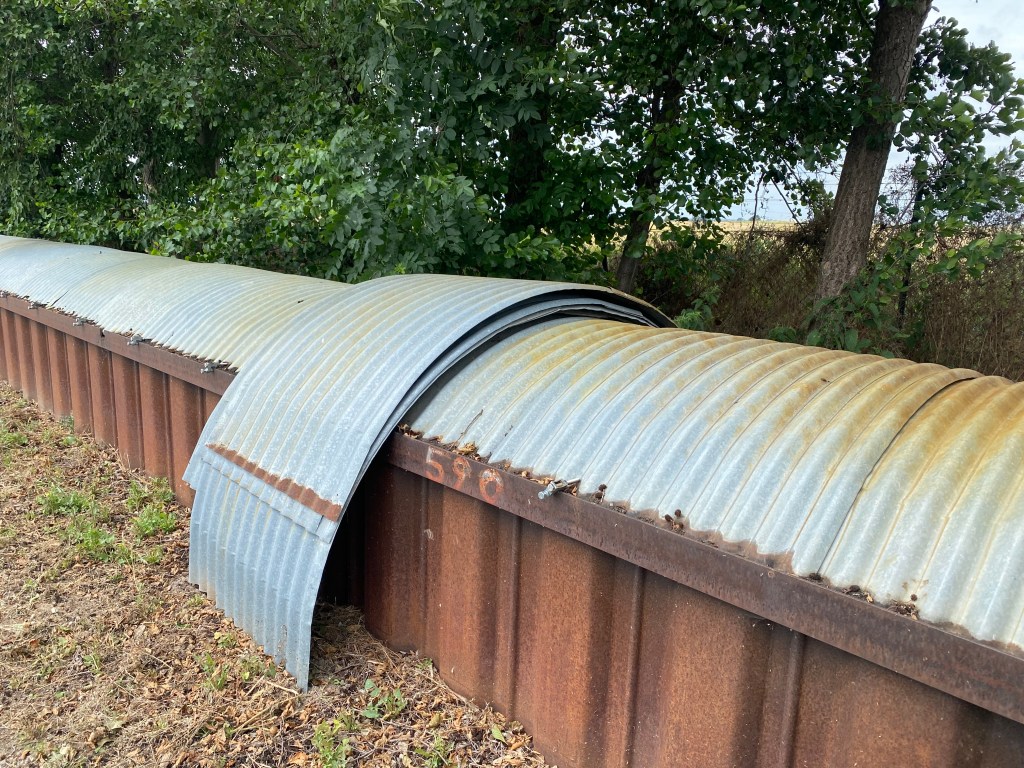
On Saturday the 4th July, the GEO 600 gravitational-wave detector in Hannover, Germany held its final public open day ahead of its closure at the end of this year. As a student of both Glasgow and Cardiff universities, who played major roles in the research conducted with GEO 600, and…
-

LVK Releases 161 New Candidate Gravitational-Wave Signals in GWTC-5.0
On the 26th May, the LIGO-Virgo-KAGRA Collaboration (LVK) released the fifth update to the Gravitational-Wave Transient Catalogue (GWTC). This update introduces 161 new candidate signals, bringing the total number of probable gravitational-wave candidates to almost 400. Within the catalogue were extra special events: from the loudest gravitational-wave signal detected to…
-
The Fourth Update to the Gravitational-Wave Transient Catalogue
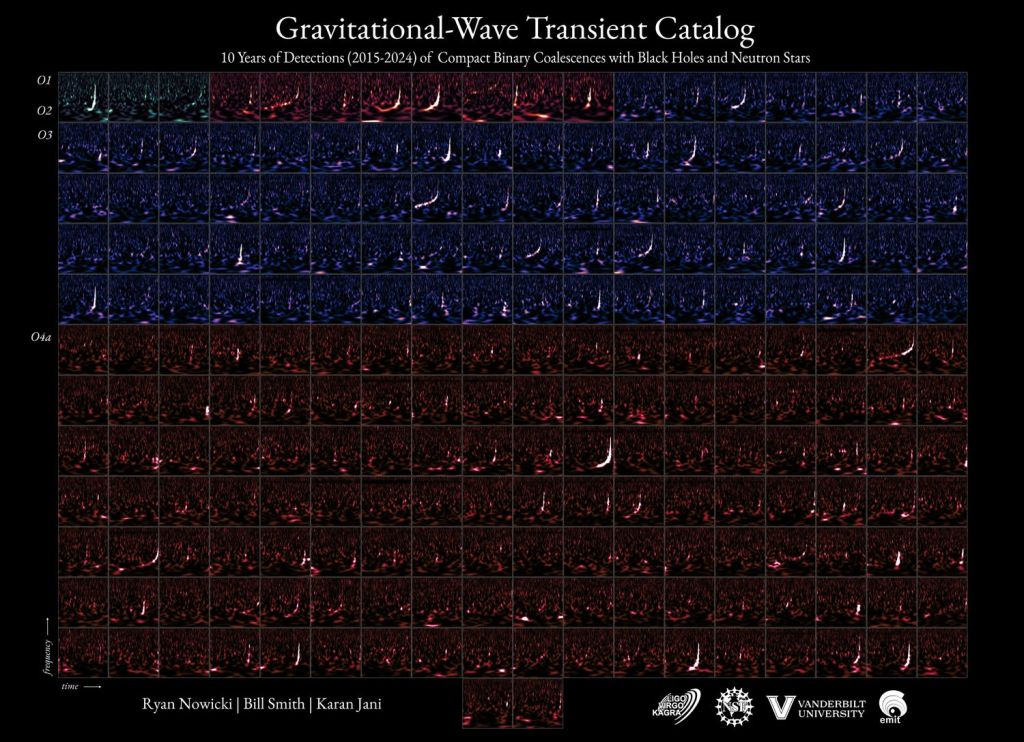
Alongside the release of the O4a data on the 26th of August 2025, the LIGO–Virgo–KARGA (LVK) Collaboration published the latest update to the Gravitational-Wave Transient Catalogue (GWTC), bringing the version from 3.0 to 4.0. This update added 128 probable gravitational-wave signals, more than doubling the number observed by the LVK. …
-
That’s a Wrap: The End of O4
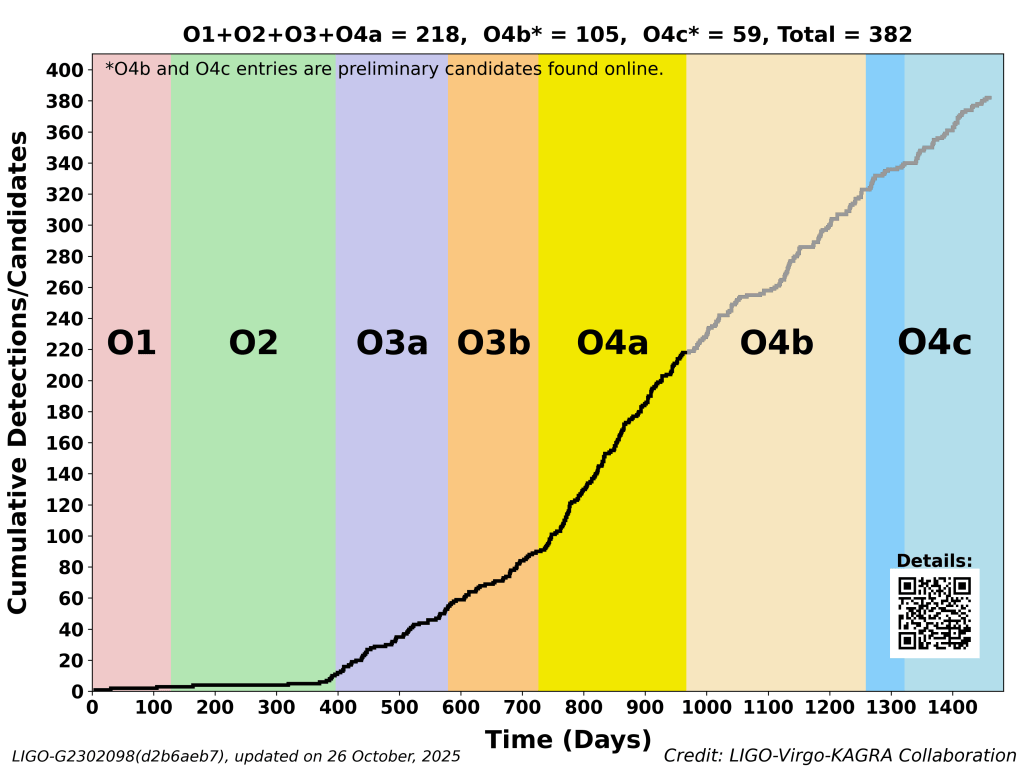
At 16:00 UTC on the 18th of November, the fourth observing period (O4) of the LIGO–Virgo–KAGRA (LVK) Collaboration came to an end. Starting in May 2023, the LVK’s longest observing run yielded over 250 gravitational-wave candidates. Highlights published so far include the most massive merger seen to date, GW231123, a…
-
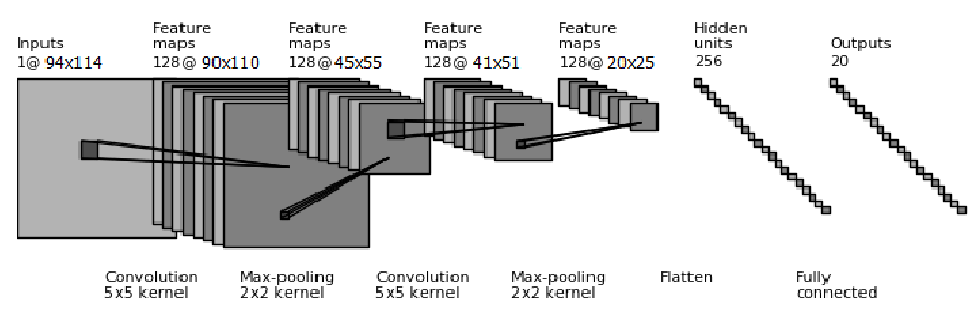
Gravity Spy Machine Learning by Machine Learning
Machine learning offers powerful tools for performing complex tasks – its applications are broad in scope, and virtually limitless given sufficient resources. Within Gravity Spy, armed with the ever-growing dataset of detector glitches classified by our volunteers, we are able to construct an algorithm that can not only identify glitches…
-
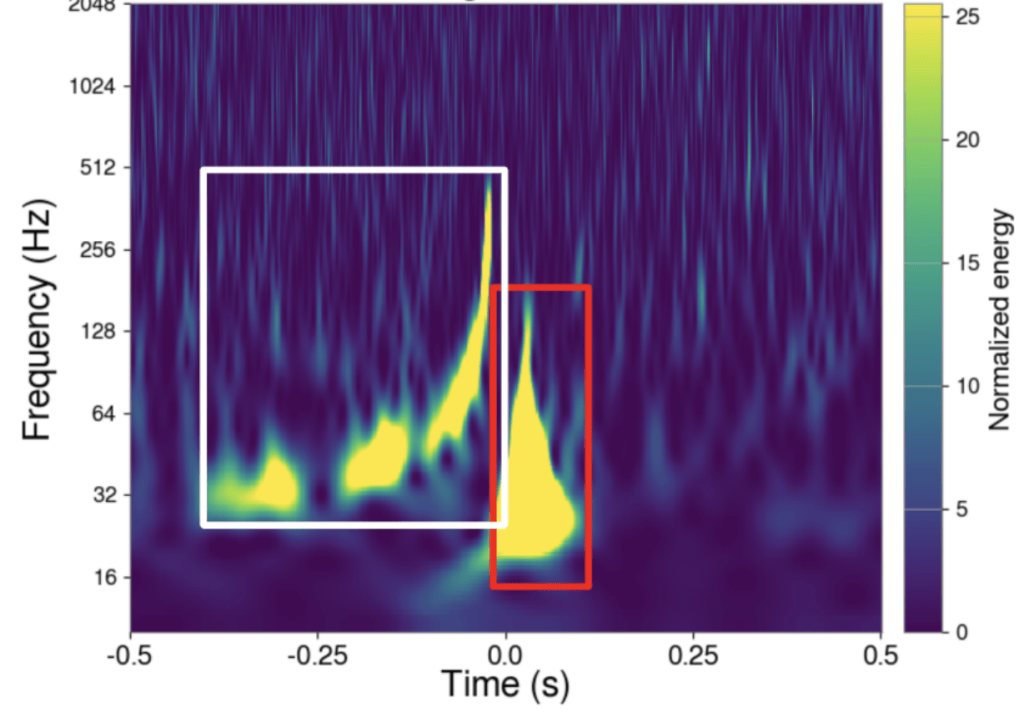
Research Spotlight: Recent Gravitational-Wave Glitch Studies
We’re learning more about glitches in gravitational wave detectors all the time. The most recent LIGO–Virgo–KAGRA Collaboration meeting (12–16 September 2022) in Cardiff featured the latest progress on our detectors and data analysis. Many research projects were presented as posters: several were looking at topics related to glitches, and many…
-
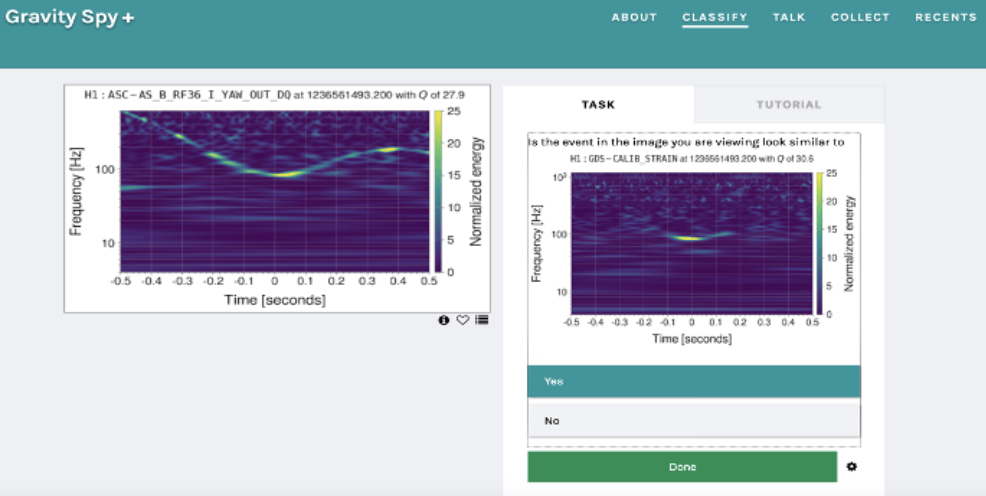
Introducing plans for Gravity Spy 2.0!
Hey GravitySpy-ers, We are excited to announce that the Gravity Spy team was awarded a three-year research grant by the U.S. National Science Foundation (NSF) to build the next volunteer-enabled gravitational-wave search phase. The project will investigate approaches to use auxiliary channel data, the same data used by LIGO scientists…
-
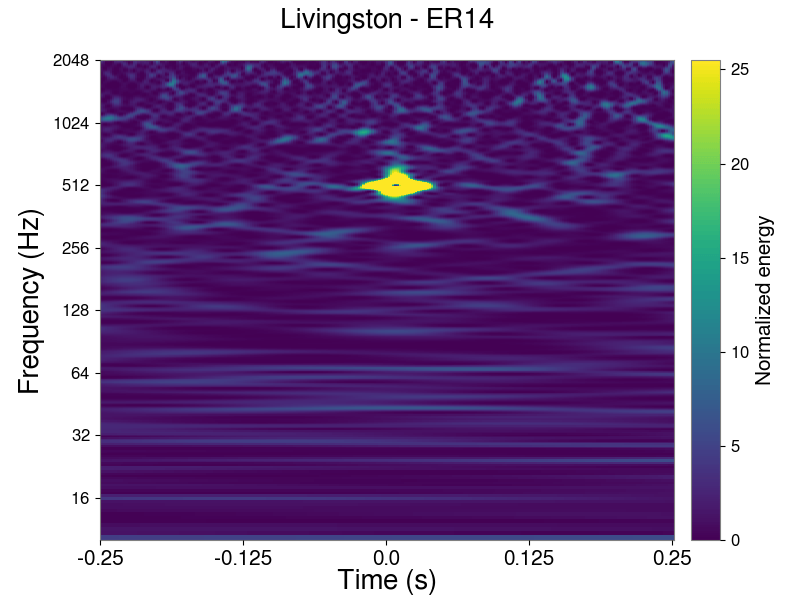
New Glitch Category Added to Gravity Spy – Pizzicato!
Hello everyone! Pizzicato (originally known as High Frequency Burst 500 Hz) has been added as a new glitch category option in Level 5 and Level 7! Pizzicato was brought to our attention when it was proposed as a new glitch class by @EcceruElme. She, along with the help of other…
-
New O3 Glitch Options
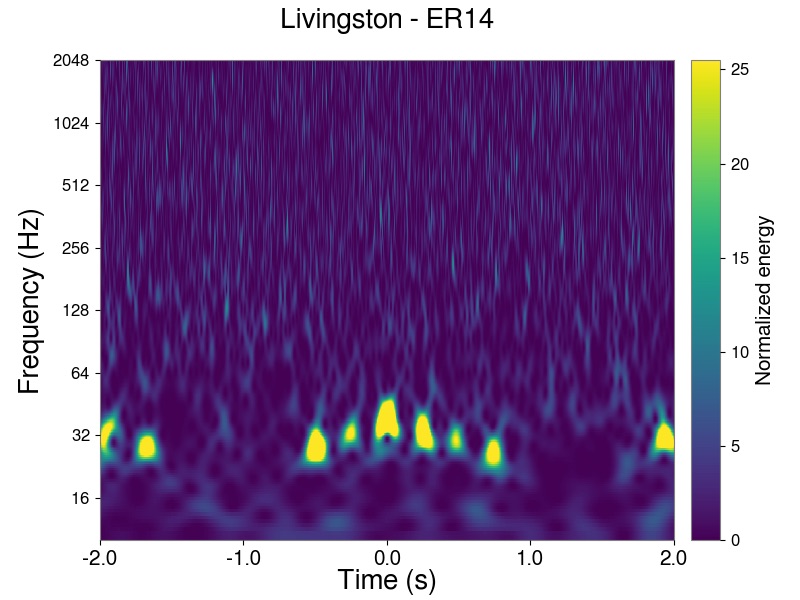
Hi all, Backed by popular demand, we have added a few new classes of glitches that are prevalent in the O3 data. You will see these options available if you are classifying on the “Binary Black Hole Merger” or “Inflationary Gravitational Waves” workflows. 70 Hz Line: These are strong,…

